

Our focus
Corrective care, explained.
Feeling better and getting better are not the same thing. Corrective care closes that gap — it changes the structure that keeps producing the pain.
An orthodontist doesn't straighten teeth in a single visit. Your spine is no different.
Teeth move because gentle, specific pressure is applied in the same direction over time — then held there long enough for the body to make it permanent.
Years of desk posture, old injuries, or simply time pull a spine away from where it's engineered to be. Muscles tighten, nerves get irritated, and the body spends energy compensating. Pain is usually the last symptom to arrive — and the first to leave, which is exactly why stopping at relief is a trap.
Corrective care applies the orthodontic logic to the spine: specific adjustments, supported by decompression and movement work, and verified with re-exams. Not forever — for a defined season, with a defined goal.
How care works
The three phases of care.
Calm the symptoms that brought you in. Visits are closer together while pain and inflammation settle.
The real work: restoring alignment and retraining the tissue that holds it — verified with comparative scans, not by how you feel that day.
Protect the correction. Visits taper to a rhythm that keeps you moving the way you want to.
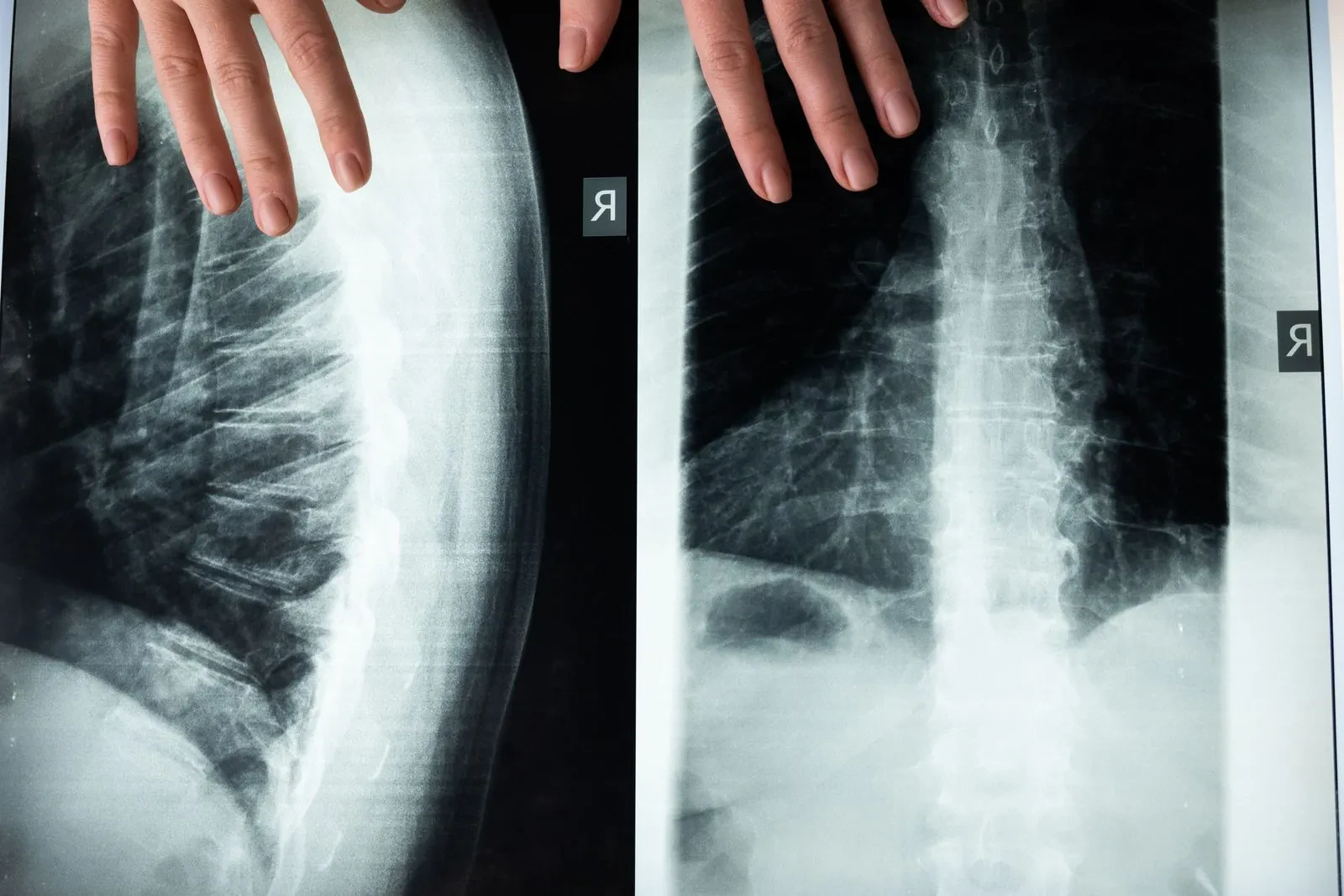
Measured, not guessed
Progress you can hold in your hands.
Corrective care lives and dies by measurement. Your X-rays and nerve scans set the baseline; scheduled re-exams show whether the structure is actually changing.
When the scans improve, you'll see it. When you're done, you'll know why.

Start the conversation
Start with a picture, not a promise.
Every plan begins with a thorough exam. Request yours and we'll call within one business day.